
Do Impact Windows Lower Your Homeowners Insurance in Florida?
The short answer is yes—and it isn't an advertising gimmick. Under Florida law, insurers must provide premium credits for verified opening protection. Here is how the rules, inspection forms, and savings actually work.
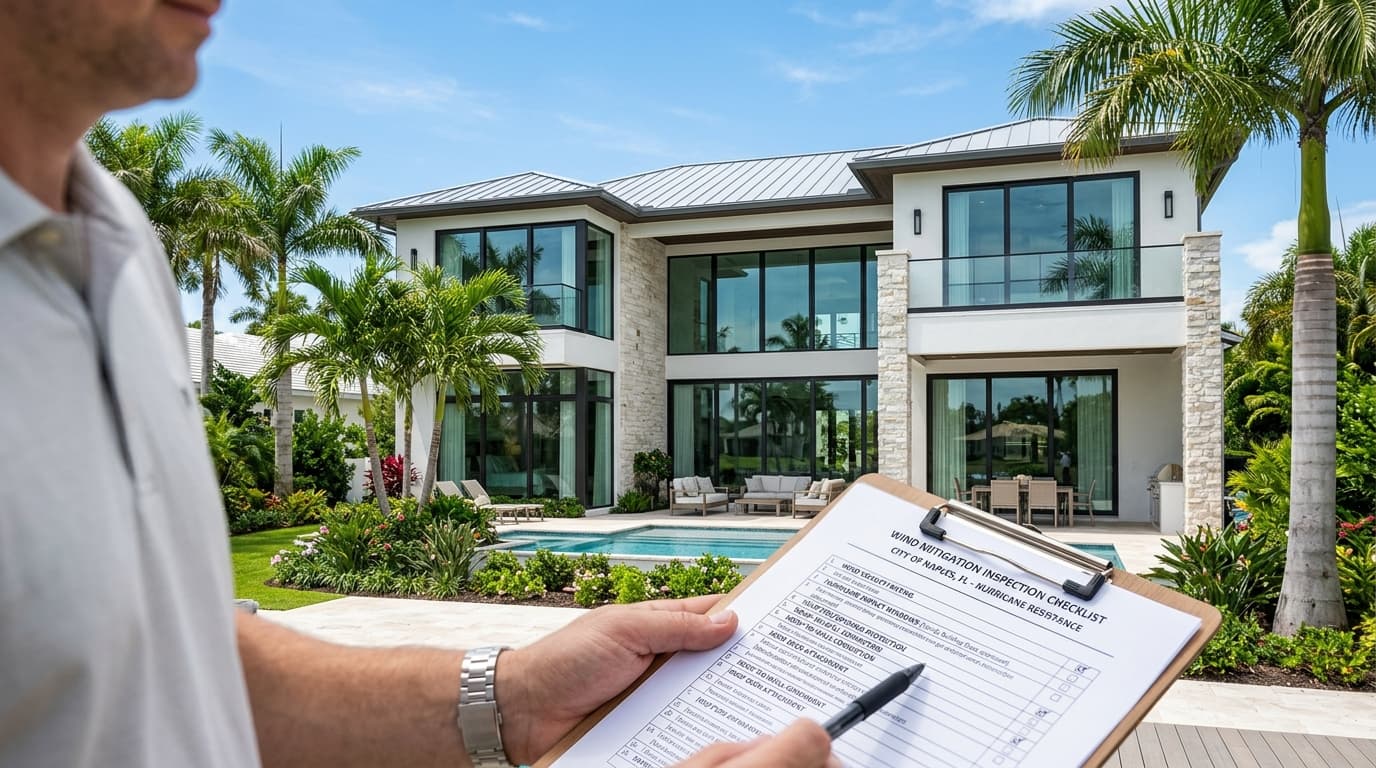
If you live in South Florida, you already know that homeowners insurance premiums have reached historic highs. What many property owners do not realize is that the state provides a direct legal mechanism to lower that cost. Under Florida Statute § 627.0629, residential property insurance companies are legally required to offer premium discounts, credits, or rate differentials for verified windstorm damage mitigation features—including impact-resistant windows and doors.
However, there is an essential technical distinction that marketing campaigns frequently gloss over: the discount does not apply across your entire homeowners insurance premium. Instead, mitigation credits apply specifically to the windstorm portion of your policy. In coastal South Florida counties like Broward, Miami-Dade, and Palm Beach, that windstorm hazard portion typically accounts for 30% to 70% of your total bill. Securing verified opening protection discounts on that portion can yield 15% to 45% in wind-hazard savings, translating to hundreds or thousands of dollars annually.
Understanding how these credits are calculated, documented, and maintained is essential to making sure you receive the maximum savings you are legally entitled to.
How the Wind Mitigation Discount Actually Works
Insurers do not simply take your word that you have hurricane-rated windows installed. The discount is governed by a formal administrative process overseen by the Florida Office of Insurance Regulation (OIR).
To receive the credit, a licensed inspector—such as a Florida-certified home inspector, licensed general contractor, architect, or professional engineer—must perform a physical inspection of your home and complete the state's standardized Uniform Mitigation Verification Inspection Form (Form OIR-B1-1802).
The 4-Step Wind Mitigation Discount Process
How certified opening protection translates into verified insurance premium credits under Florida law.
Protected Openings
Every exterior opening—windows, sliding patio doors, entry doors, and garage doors—is verified to meet Florida Building Code impact standards.
Wind Inspection
A licensed Florida inspector conducts a physical survey using the state's Uniform Mitigation Verification Inspection Form (OIR-B1-1802).
Official Documentation
The inspector verifies product approvals (such as Miami-Dade NOA or FL Product Approvals) and confirms Section 7 Opening Protection ratings.
Insurer Credit Applied
Your insurance company recalculates your policy under F.S. § 627.0629, applying the applicable discount to the windstorm portion of your premium.
During the survey, the inspector documents key structural attributes: roof covering age, roof-to-wall attachment clips or straps, roof geometry (hip vs. gable), secondary water barriers, and Section 7: Opening Protection. The completed report is submitted to your insurance carrier, who then recalculates your policy premium in accordance with their approved OIR rate filings.
Understanding Form OIR-B1-1802 Opening Protection Levels
Section 7 of Form OIR-B1-1802 classifies the wind-borne debris protection of your home's openings into specific regulatory categories based on verified engineering test standards:
Hurricane-Rated Impact Protection (HVHZ Standard)
Applies when all glazed openings (windows, sliding glass doors, French doors, skylights) and entry points are verified to meet rigorous large-missile impact and cyclic pressure testing standards (Miami-Dade TAS 201, 202, 203 or ASTM E1886 / E1996). In the High-Velocity Hurricane Zone (Miami-Dade and Broward), this requires products holding a valid Miami-Dade Notice of Acceptance (NOA) or Florida Product Approval.
Basic Wind-Borne Debris Protection
Applies to opening protection systems verified to meet basic impact standards under ASTM E1996 (missile level C or equivalent). While providing solid storm resistance, outside the HVHZ it yields a moderate credit, but may not achieve top-tier discounts within Miami-Dade or Broward.
Wood Panels (Class C) or Unprotected (Rating X)
Class C covers engineered plywood or OSB panels meeting specific Florida Building Code fastening tables. Rating X indicates non-impact glazed openings with no storm protection, resulting in full windstorm risk pricing with zero opening credit.
The "Weakest Link" Underwriting Rule
The single most critical rule governing opening protection in Florida is the all-or-nothing requirement.
Why Every Opening Must Comply
On Form OIR-B1-1802, the inspector is required by state guidelines to rate the home according to the weakest form of opening protection installed.
For example: If your residence has 18 impact-rated windows, but you have a small decorative bathroom window that was left unprotected, a side garage door with unrated glass, or a sliding glass door whose certification cannot be verified, the inspector cannot check the Class A box. The entire structure is downgraded to the rating of that single unprotected opening.
Because an unrated opening forfeits the top-tier opening protection discount, homeowners who have retrofitted most of their home frequently miss out on thousands in savings until that final opening or secondary patio door is brought into certified compliance.
Where It Gets Missed: How a Damaged Window Can Impact Your Credit
Insurance carriers do not dispatch inspectors to re-check your windows between renewal cycles. If you completed a wind mitigation inspection three years ago, you remain credited on paper.
However, when your 5-year inspection window expires, or if you switch carriers to shop for better rates, a new inspection is required. That is the moment where an unnoticed issue—such as a delaminated laminated glass pane, cracked glass, broken balances, or a malfunctioning multi-point lock—can cause an inspector to withhold Class A certification.
If an inspector notes that an impact assembly is physically compromised or no longer operates in its certified condition, they may decline to certify that opening. To avoid an unexpected jump in your renewal premium, it is wise to walk your home and evaluate the condition of all glazed openings before the inspector arrives.
In almost all cases, addressing a compromised window through targeted glass reglazing or hardware restoration restores the unit to its certified, code-compliant status for a fraction of the cost of losing your annual insurance credit.
Realistic Savings & The My Safe Florida Home Program
How much will opening protection actually save you? Because rates are filed independently by each admitted carrier and approved by the OIR, exact dollar amounts depend on several factors:
- Geographic Wind Risk Zone: Homes east of I-95 or directly along the coastal barrier islands carry much higher wind hazard exposure, meaning the baseline wind premium is larger and the credit delivers greater gross dollar savings.
- Insured Replacement Value: Higher-value dwelling limits (Coverage A) yield proportionally larger premium adjustments.
- Accumulated Mitigation Credits: Opening protection works in tandem with roof-deck attachment and roof-to-wall connections (clips or third nails). When combined, total windstorm credits can exceed 50% to 70% of the wind portion of the premium.
The My Safe Florida Home (MSFH) Program
To assist homeowners in funding certified mitigation upgrades, the Florida Legislature established the My Safe Florida Home Program.
Under current statutory provisions and subject to legislative appropriations, the program provides:
- Free Wind Mitigation Inspections: Eligible single-family site-built homeowners can request a comprehensive, no-cost windstorm inspection detailing potential improvements and estimated insurance discounts.
- Matching Grants: For qualifying moderate-income homeowners, the state provides reimbursement for two-thirds (2/3) of the cost of approved mitigation projects (i.e. $2 in state funds for every $1 paid by the homeowner), up to a maximum state grant of $10,000.
- Low-Income Grants: Qualifying low-income households (at or below 80% of area median income) may receive up to $10,000 without requiring an out-of-pocket matching contribution.
Note: Grant application portals open in prioritized legislative cycles. Homeowners should verify current funding availability and eligibility criteria directly at mysafeflhome.com before initiating reimbursable work.
Important Insurance & Regulatory Notice
This guide provides educational information regarding Florida insurance statutes, Form OIR-B1-1802 inspection standards, and opening protection. It does not constitute individualized insurance, legal, or financial advice. Premium credits, discount schedules, and underwriting requirements vary by insurance carrier and policy contract. Always verify specific coverage terms and discount qualifications directly with your licensed insurance agent and qualified inspection professional.
Frequently Asked Questions
Do hurricane shutters get the same insurance discount as impact windows?
How long is a wind mitigation inspection valid in Florida?
Does a repaired (not replaced) impact window still qualify for the discount?
Need to Bring an Opening Into Compliance Before Your Next Inspection?
Omega Doors & Windows inspects, reglazes, and repairs impact windows and sliding patio doors across Broward, Miami-Dade, and Palm Beach. Ensure your openings are sealed, code-compliant, and inspection-ready.
Related Homeowner Guides & Services
Why Is My Impact Window Foggy or Bubbling? (And Can It Be Repaired?)
Understand the mechanical difference between IGU seal failure and glass delamination, and when glass-only reglazing preserves your frame.
Impact Window Repair & Reglazing Services
Explore component-level glass replacement, weatherstripping, and track restorations across South Florida.
Sliding Glass Door Repair in South Florida
Heavy-duty tandem roller replacement, track capping, and multi-panel alignment for hurricane impact patio doors.